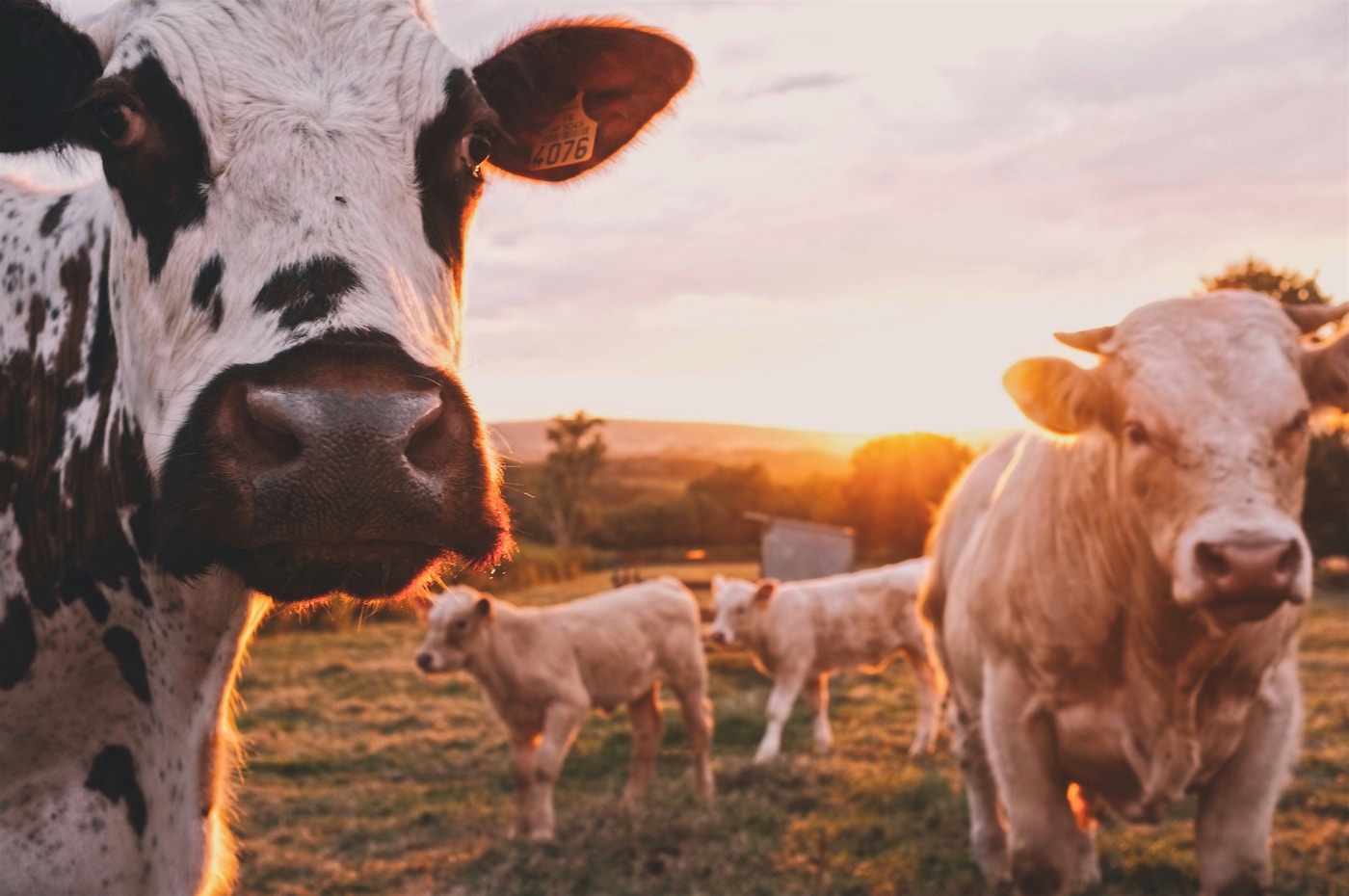
Keeping cattle for the first time is one of the most rewarding things you can do on an Australian small property — and one of the most common sources of avoidable mistakes if you go in underprepared. This guide covers everything a beginner needs to know before acquiring their first cattle, from infrastructure and fencing through to feeding, health management and common pitfalls.
Every year, thousands of Australians acquire cattle for the first time on a small property, hobby farm, or lifestyle block. Some thrive from the beginning; many struggle with avoidable problems that better preparation would have prevented. The difference is almost never enthusiasm — beginners have plenty of that — but advance knowledge of what cattle actually require, what the most common mistakes are, and how to avoid them before the animals arrive rather than after.
This guide is the resource we wish existed when most beginners start — a single, comprehensive overview of what you actually need to know before your first cattle arrives on your property.
Are cattle right for your property?
Before any breed research, feed calculations or infrastructure planning, the most important question is whether cattle suit your specific property situation. They are large, powerful animals — even a quiet cow weighs 500 to 600 kg — and the infrastructure, fencing, and handling facilities required to keep them safely are substantially more demanding than for any small ruminant. Assess honestly: do you have the space, the fencing quality, the time for daily care, and the tolerance for the responsibilities that come with livestock before committing.
The minimum practical requirements are: adequate land (matched to the stocking rates appropriate for your climate zone and pasture type), secure perimeter fencing that can contain the species reliably, access to clean water year-round, shelter from the most extreme weather in your region, and time for daily observation and care. If any of these cannot be met, address them before acquiring animals — retrofitting infrastructure around problem livestock is far more difficult than starting with the right setup.
Infrastructure first
The single most consistent advice from experienced cattle keepers to beginners is: build your infrastructure before the animals arrive. Fencing, water, and shelter that seemed adequate in planning frequently reveal their weaknesses within days of the first animals arriving, and fixing them under pressure with animals already on the property is significantly harder than doing it beforehand. Walk your property boundary with critical eyes — looking for gaps, loose posts, inadequate gates, and water sources that might dry up or be inaccessible to the animal — and address everything you find before purchase day.
A basic handling facility — even a simple set of temporary yards that allows you to safely catch, restrain, and treat individual animals — is not a luxury. It is the difference between basic health management being achievable and it being a dangerous ordeal. You do not need elaborate permanent infrastructure immediately, but you need to be able to safely contain and work an animal from day one.
Choosing your first animals
Breed selection for beginners should prioritise temperament and manageability over production potential. The most productive breed is worthless if you cannot safely handle the animals. See our Breeds Guide for detailed breed comparisons, but the general principle is: choose a breed known for quiet temperament, buy animals that have been handled regularly from young ages, and inspect animals in person before purchasing rather than buying sight unseen.
Start with a small number — two to four animals — rather than jumping to a larger group. A small number allows you to develop your management skills, identify any infrastructure problems, and make any adjustments before scaling up. The temptation to acquire a larger group immediately because the per-animal cost is lower should be resisted: the hidden costs of managing more animals than you have the skills and infrastructure for comfortably far exceed any purchase price saving.
Feeding your animals
Cattle require more than just access to a paddock. Base your feeding program on quality pasture as the foundation, supplemented with hay when pasture is insufficient (during dry summers, cold winters, or drought), and understand the specific nutritional requirements of the species and production class you are keeping. See our Feeding Guide for detailed nutritional requirements, but the universal principle is: regularly assess body condition (learn to palpate over the backbone and ribs — vision through a fleece or thick coat is misleading) and adjust feeding before animals lose significant condition rather than reacting to obvious weight loss.
Fresh, clean water available at all times is non-negotiable. Water requirements increase substantially in hot weather and in lactating animals — ensure your water supply can meet peak demand on the hottest day of summer, not just average conditions.
Basic health management
Establish a relationship with a livestock veterinarian before you have a health emergency. Finding a vet when you are standing in a paddock with a sick animal is stressful and frequently leads to delays that worsen outcomes. Ask your local farming supply store or agricultural college for a recommendation; many areas have large-animal vets who conduct property visits and are willing to do an introductory consultation to understand your setup.
The minimum routine health program for cattle includes: annual vaccination (species-appropriate clostridial vaccines at minimum), internal parasite management based on monitoring and strategic drenching, and regular body condition assessment. See our Health Guide for full protocols. Record keeping — dates of treatments, products used, dosages, and the withholding periods for any animals used for meat or milk — is both good practice and a legal requirement for food-producing animals.
The learning curve
Every experienced cattle keeper was a beginner once, and most are remarkably willing to share knowledge with genuine learners. Join your local cattle or livestock association, attend agricultural shows, and ask questions freely — the small-farm and hobby-farming community in Australia is generally generous with advice and assistance. Local knowledge about what works in your specific climate, what pasture species suit your soil type, and which local vets and suppliers are most reliable is invaluable and not available in any guide.
Expect to make some mistakes in your first year — this is universal and is not a reason to give up. The key is to make mistakes that are recoverable (choosing the wrong supplementary feed) rather than ones that are not (inadequate fencing that allows animals to escape onto a road). Plan conservatively, observe carefully, and adjust based on what your animals and your pasture actually show you.
Gestation period for reference: 283 days. Purpose: beef production, dairy or dual-purpose.
Further reading: Breed Guide · Care Guide · Feeding Guide · Health Guide
For more, see our Pregnancy Testing Cattle in Australia: When, How and Why It's Your Best Investment and Beef Cattle Breeds in Australia: Choosing the Right Breed for Your Property.
📖 Explore the Full Guides