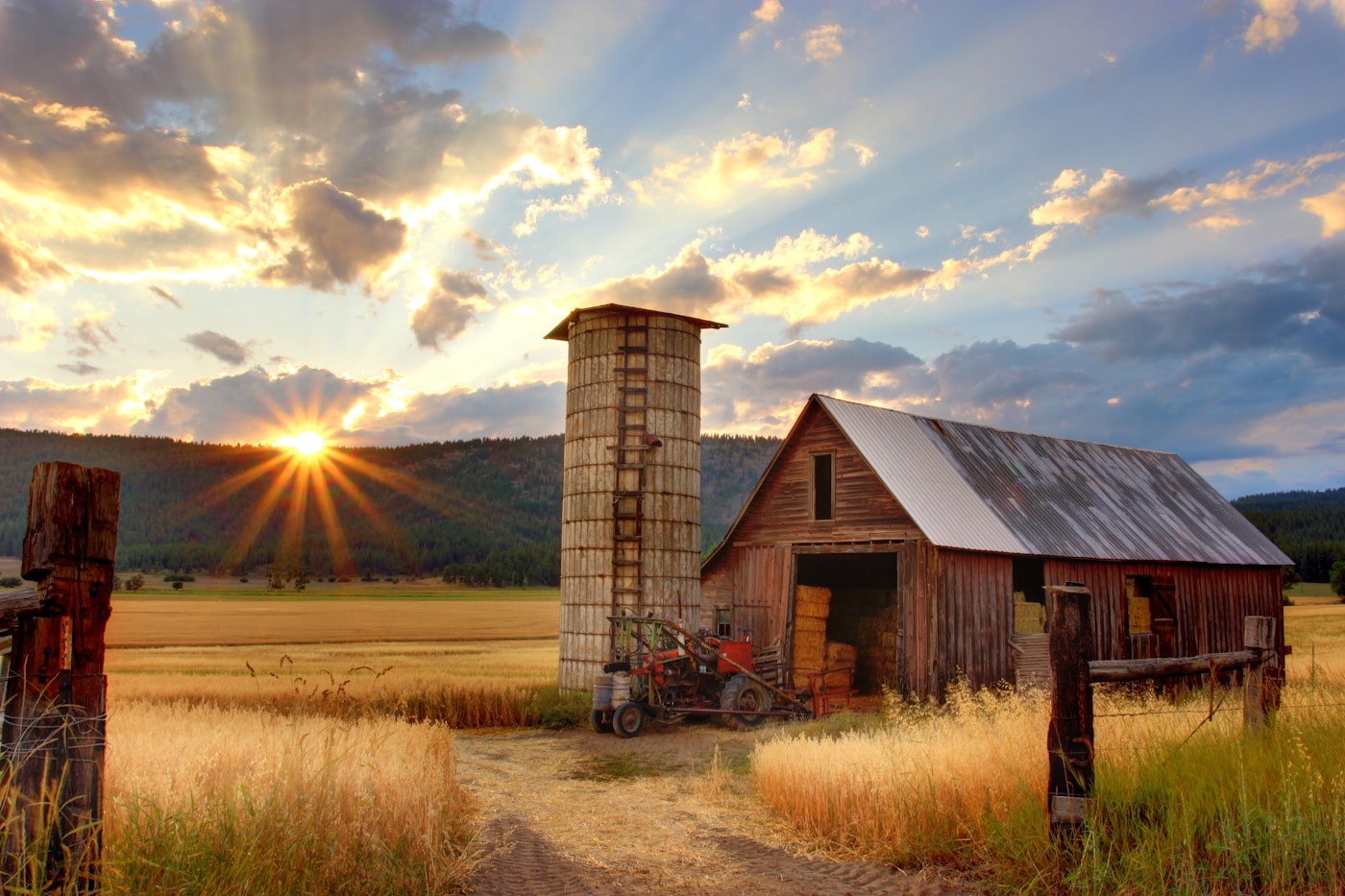
Pasture Management for Australian Small Farms
Soil health, species selection, rotational grazing and seasonal renovation — a complete pasture guide for Australian small farm producers.
Why Pasture is Your First and Most Important Investment
Every kilogram of meat, litre of milk, and gram of fibre your small farm produces passes through pasture first. The productivity ceiling of your entire livestock enterprise is set by the quality and quantity of feed your land grows — supplementary feed can fill gaps but it cannot economically replace a productive pasture base. Getting the pasture right is therefore not an agronomic nicety; it is the foundational economic decision of any small farm enterprise.
The gap between a well-managed and a poorly managed pasture on the same property in the same rainfall zone is enormous. Research consistently shows that properly managed perennial pastures in temperate Australia can support two to three times the stocking rate of degraded or annual-dominant pastures on equivalent rainfall. That difference in carrying capacity — achieved with the same land, the same water, and the same rainfall — translates directly into production and profitability. A producer who improves their pasture system from poor to good can double their output without buying another hectare.
The corollary is that poor pasture management compounds over time. An overgrazed paddock loses its perennial species — which take years to re-establish — and their place is taken by annual grasses, broadleaf weeds, and bare ground. Bare ground grows nothing, bakes hard in summer, and erodes in heavy rain. Weeds are often less palatable, less nutritious, and sometimes toxic. The degradation cycle is self-reinforcing and increasingly expensive to reverse the further it progresses. Starting with an accurate assessment of what you currently have, and managing it conservatively while improvement programs are established, prevents the problem from worsening while you build toward a better system.
Before any renovation, species selection, or fertiliser program is undertaken, two assessments are essential: a soil test and a pasture walk. The soil test — available through your state department of agriculture, private agronomists, or commercial soil testing laboratories for $50 to $150 per paddock — tells you the pH, nutrient status, and organic matter of your soil. These results determine what species will grow, whether lime or fertiliser is needed before establishing new pastures, and whether the limitation on productivity is nutritional or management-based. The pasture walk — ideally with a local agronomist or experienced neighbour who knows your soil type and climate — identifies what species are currently present, what their proportion is, and what the weed burden looks like. Together, these two tools provide the information needed to make productive investment decisions rather than guessing.
Australian Soil Types and What They Mean for Pasture
Australia has one of the most diverse and challenging soil landscapes on earth, and understanding your soil type is genuinely foundational to pasture management. The same species, the same fertiliser program, and the same management approach will produce completely different results on a coastal clay loam versus an inland sandy red earth versus a high-rainfall krasnozem. Australian soils are, as a general rule, ancient, weathered, and naturally low in phosphorus and many trace elements — a starting point that differs fundamentally from the younger, more fertile soils of Europe or North America where much of the general pasture management literature originates.
Clay soils (including the black cracking clays of the inland, the grey box clays of the slopes, and the coastal heavy clays) have high water-holding capacity and high nutrient retention but poor drainage and a tendency to waterlog in wet seasons and crack and harden in dry ones. They are typically more fertile than light soils but restrict root penetration and can create anaerobic conditions around root zones during prolonged wet periods. Species suited to clay soils include kikuyu (in warm climates), perennial ryegrass (in cooler, higher-rainfall areas), and subterranean clover in temperate zones. Avoid sowing species that require good drainage — phalaris can establish on clay but performs better on better-drained sites.
Sandy soils and light duplex soils are widespread in southwestern and south-eastern Australia. They are free-draining (often excessively so), low in organic matter and nutrients, and prone to wind erosion when bare. Their advantage is ease of cultivation and generally good workability. The key management principles on light soils are: maintaining ground cover at all times to prevent wind erosion, building organic matter through legume establishment and careful grazing management, and accepting higher fertiliser frequency because nutrients are not retained as long as in heavier soils. Annual subterranean clover performs well on light soils and is the cornerstone of improved pasture systems across the southwestern grainbelt.
Red and yellow earths cover vast areas of eastern and central Australia. They are typically well-drained, moderate to low in fertility, and moderately acidic. Their moisture-holding capacity is intermediate. This is where the broadest range of Australian pasture species perform — from buffel grass and Rhodes grass in the drier subtropical areas, through couch and kikuyu in the warm temperate zone, to perennial ryegrass and cocksfoot in the cooler rainfall zones.
Soil pH determines which species will establish and persist. Most temperate legumes (subterranean clover, white clover, lucerne) require a pH above 5.5 to establish reliably — below that, aluminium and manganese toxicity limit root development and nodulation. Lime application to acidic soils before pasture establishment is one of the highest-return agronomic investments available, typically delivering benefits over a decade or more from a single application. Target pH (in water) of 5.8 to 6.5 for most temperate pasture species. Tropical grasses are generally more tolerant of soil acidity and can establish at pH 5.0 to 5.5, but legumes mixed with them still benefit from adequate pH.
Pasture Species for Australian Conditions
Australia's climatic diversity means that there is no single "best pasture" — the right species depend entirely on your rainfall, temperature range, soil type, and intended livestock enterprise. The following is a region-by-region guide to the most productive and reliable species across the main Australian pastoral zones.
Temperate southern Australia (southern NSW, Victoria, Tasmania, South Australia, southwest WA — winter-dominant or year-round rainfall, cool winters) is the zone best suited to high-productivity improved pastures. The cornerstone combination is perennial ryegrass (Lolium perenne) with white or subterranean clover. Perennial ryegrass produces high dry matter yields, is highly palatable, and responds strongly to nitrogen from associated legumes. Its weakness is summer dormancy in dry years and susceptibility to ryegrass staggers (a fungal endophyte problem managed by selecting endophyte-tested varieties) and annual ryegrass toxicity (from seed head parasitised by Anguina nematodes carrying toxic bacteria — a significant issue in WA and SA). Phalaris (Phalaris aquatica) is the most persistent perennial grass for drier temperate situations and is widely used in NSW and SA. It is deeply rooted, more drought-tolerant than ryegrass, and productive in winter and spring, but requires careful management to prevent phalaris staggers in deficient areas (cobalt supplementation is essential).
Subterranean clover (Trifolium subterraneum) is the dominant annual legume across southern Australia, establishing from self-regenerating seed banks each autumn after summer dormancy. It fixes atmospheric nitrogen in quantities that significantly reduce or eliminate the need for synthetic nitrogen fertiliser, substantially improving the nutritional value of associated grasses. Species selection within subterranean clover matters — there are dozens of commercial varieties with different flowering times and adaptation to different soil types and rainfall zones. Match the variety to your site using the Variety Chooser tool at the Pastures Australia website.
Subtropical and warm temperate zones (coastal and inland Queensland, northern NSW, Northern Territory coastal areas) require grass species that maintain productivity through hot summers and can survive the dry season or summer droughts. Kikuyu (Pennisetum clandestinum) is the most widely used warm-season grass in higher-rainfall coastal areas of southern Queensland and northern NSW — extremely persistent, recovers rapidly from grazing, and produces reasonable quality feed when actively growing. It becomes a significant weed when it moves into cropping land or high-value areas. Rhodes grass (Chloris gayana) is productive, palatable, and drought-tolerant in the subtropical zone. Buffel grass (Cenchrus ciliaris) is the most important grass in the semi-arid pastoral zone — extraordinarily drought tolerant, high production when it rains, but now classified as an environmental weed in some jurisdictions because of its aggressive spread into native vegetation.
Tropical legumes are essential in the subtropical and tropical zone because the native and naturalised tropical grasses are typically low in protein. Leucaena (Leucaena leucocephala) is the highest-productivity legume available in tropical and subtropical Australia — it fixes nitrogen prolifically, provides high-protein browse at all times of year including the dry season, and dramatically improves the live weight gain and reproductive performance of cattle and sheep grazing mixed leucaena-grass pastures. It requires establishment care (weed control, correct rhizobium inoculation, protection from grazing for the first two years) but provides production benefits for thirty years or more. Stylosanthes (Stylosanthes spp.) is the most widely used annual/short-lived perennial legume in tropical and semi-arid pastoral Australia and has transformed productivity across much of northern and central Australia over the past fifty years.
Lucerne (alfalfa) deserves separate mention because it is the highest-yielding perennial legume available in Australia and performs across a wide range of climates, from the semi-arid irrigation districts of the Murray-Darling Basin to coastal temperate areas. Lucerne is deep-rooted (tap roots to three metres or more), extremely drought-tolerant once established, and produces the highest quality roughage of any common Australian pasture species. Its requirements are: free-draining soils (it does not tolerate waterlogging), soil pH above 6.0, and adequate summer rainfall or irrigation to maintain growth through the warm season. For small farms with suitable soils that want to reduce hay purchase costs, a small lucerne paddock grazed rotationally or cut for hay is one of the highest-return pasture investments available.
Rotational Grazing: The System That Transforms Productivity
Continuous or set-stocking — where animals graze a paddock indefinitely without a planned rest period — is the most common pasture management system on Australian small farms and the one that most consistently limits productivity. Rotational grazing — dividing the available area into multiple paddocks and moving stock in a planned sequence to allow adequate rest and recovery — consistently outperforms set-stocking in controlled research and in on-farm practice for the same reason: plants need time to recover after defoliation before they are grazed again.
When a plant is grazed, it mobilises carbohydrate reserves stored in the root system to regrow new leaf. If it is grazed again before those reserves have been replenished — which happens under set-stocking because animals preferentially re-graze the most palatable, actively growing plants — the plant's root reserves are progressively depleted and it eventually dies. The first species to disappear under continuous overgrazing are typically the most desirable ones: the perennial ryegrasses, the clovers, the productive native grasses. What replaces them is less palatable, less nutritious, and harder to manage. Rotational grazing prevents this by giving every plant the rest time it needs to fully recover before being grazed again.
The rest period required for adequate recovery varies with species and season. Temperate perennial grasses in spring growth require 21 to 28 days of rest. The same species in winter may need 45 to 60 days. Tropical grasses in active summer growth may need only 21 to 35 days but require longer in the dry season or during slow growth periods. The key principle is that rest periods should be driven by the recovery of the plant — measured visually by leaf development and canopy height — not by a fixed calendar interval that ignores what the pasture is actually doing.
Designing a rotational system for a small farm starts with a paddock map. The minimum number of paddocks for a basic rotation is four; six to eight paddocks allows more flexibility in adjusting rest periods to match plant recovery. In practice, the difference between four paddocks and eight is a significant additional fencing investment — and this is where temporary electric fencing plays an important role in small farm rotational systems, allowing paddock subdivision without permanent infrastructure costs. A four-paddock permanent fence system with electric cross-fencing that can be moved as conditions change is a practical and cost-effective approach for many small properties.
The grazing period within each paddock should be short enough that animals do not have time to return and graze regrowth before moving on. In high-growth spring conditions, this might mean moving the mob every three to five days. In slower growth periods, weekly moves may be appropriate. The aim is to enter each paddock when it has recovered to the target pre-grazing height (typically 15 to 20cm for temperate grasses, higher for tropical species) and exit before it is grazed below the target post-grazing height (typically 5 to 8cm for temperate species — low enough to ensure efficient utilisation without exposing the growing point to complete defoliation). Grazing below the growing point — visible as the pale, stubble-like tissue at the base of the plant — significantly sets back recovery.
The production benefits of well-managed rotational grazing, documented across Australian research stations, include: 30 to 80% improvement in dry matter production per hectare compared to set-stocking on the same land; substantially higher legume content in the sward (legumes benefit disproportionately from rest periods); improved ground cover and reduced weed invasion; and significantly reduced internal parasite challenge to livestock (larvae deposited on pasture are exposed during the rest period to sun, desiccation, and time — the most effective and cheapest parasite management tool available). These benefits accumulate over seasons, with well-managed rotational systems typically reaching their full production potential after two to three years of consistent management.
Soil Fertility and Fertiliser Programs
Soil fertility is the engine of pasture productivity. Australian soils are, with some notable exceptions, among the most naturally infertile in the world — the result of billions of years of weathering and leaching that has removed the soluble nutrients that younger soils elsewhere in the world still contain. This means that most Australian pasture systems cannot reach their production potential without ongoing nutrient inputs, typically in the form of fertiliser and/or biological nitrogen fixation from legumes.
Phosphorus is the most universally deficient nutrient in Australian pasture soils and the one that gives the greatest production response to application in most regions. It is essential for legume nodulation and nitrogen fixation, root development, and energy metabolism in plants. The most common form of phosphorus fertiliser used in Australian pasture systems is superphosphate — a relatively inexpensive, widely available, and effective source of both phosphorus (9%) and sulphur (11%). Single superphosphate applied at 100 to 200 kg per hectare annually (or equivalent per cycle) is the backbone of improved temperate pasture fertiliser programs in southern Australia. In situations where sulphur is not limiting, high-analysis products (double or triple superphosphate) allow the same phosphorus delivery in smaller application rates.
Nitrogen is the nutrient most directly associated with grass growth rate and quality, but it is also the most expensive to purchase and apply as synthetic fertiliser. The most cost-effective approach in mixed grass-legume pastures is to establish and maintain high legume content (target 25 to 40% of the sward), which fixes atmospheric nitrogen at rates of 50 to 200 kg N per hectare per year depending on species and conditions. A well-nodulated subterranean clover pasture can fix enough nitrogen to grow a fully productive ryegrass companion without any synthetic nitrogen. Synthetic nitrogen (urea, ammonium sulphate) is appropriate for boosting production on pure grass paddocks, for extending the autumn growing season, or for breaking pasture out of summer dormancy — but it does not substitute for good legume content over the long term.
Lime is required on acidic soils to raise pH to the range needed for legume nodulation and nutrient availability. Ground limestone is the standard product — typically applied at 1 to 2.5 tonnes per hectare depending on current pH and buffer capacity, and incorporated where possible before pasture establishment. The pH response from lime application is slow — it takes one to two growing seasons for the full pH response to develop — so lime should be applied well in advance of pasture establishment or renovation. Maintenance lime applications every five to eight years are typically needed to counteract the natural acidification from nitrogen cycling and leaching.
Timing of fertiliser application matters. In temperate southern Australia, the main pasture fertiliser application (superphosphate) is most effective when applied at the beginning of the autumn growing season — before the break of season or within two weeks of it — so the phosphorus is available when the pasture is most actively growing and when seedling establishment of annual legumes requires phosphorus most urgently. Applying phosphorus in summer on dry, dormant pasture wastes money (losses to runoff and fixation are higher) and provides no immediate production benefit. A second smaller application in late winter or early spring extends the production window and is worthwhile in high-production or hay-cutting situations.
Pasture Renovation and Establishment
Degraded, weed-dominated, or species-poor pastures can be improved through renovation — either full cultivation and resowing, or more commonly (and at substantially lower cost) oversowing into existing swards after appropriate preparation. The right approach depends on the degree of degradation, the existing species present, and the soil type.
Full cultivation and resowing is appropriate where the existing pasture base is so poor or weed-dominated that oversowing would fail due to competition, or where the soil structure needs to be addressed (deep ripping for hardpan, liming incorporation, major weed seed bank reduction by cultivation and fallowing). It is expensive and should be the last resort rather than the first response to a degraded paddock. The critical mistake in full cultivation pasture establishment is inadequate weed control before sowing — cultivating a paddock full of annual grass weeds simply germinates the weed seed bank, and the new pasture sown simultaneously will be overwhelmed by weed competition at the seedling stage.
Oversowing (direct drilling into existing sward) is the more practical approach for most renovation situations. The preparation required is: reducing competition from the existing pasture (by grazing it very hard, spray-topping to remove seed heads, or applying a knockdown herbicide where appropriate); applying fertiliser and lime if indicated by soil tests; direct-drilling the new seed mix into the prepared surface; and protecting the new sowing from grazing pressure for eight to twelve weeks to allow establishment. Direct drilling into undisturbed soil conserves moisture around the seed zone and avoids burying the seed too deep — both critical factors in successful establishment.
The seedling establishment phase is where most pasture renovation failures occur. Newly germinated pasture seedlings are vulnerable to: competition from existing plants and weeds; moisture stress if the soil surface dries out before root systems are established; grazing by livestock that are not excluded from the paddock; and slug and insect attack in some conditions. Excluding stock completely until the new pasture reaches 15 to 20cm height — and then introducing them for a single, light grazing before excluding again for another rest period — gives the new sowing the best chance of establishing a persistent root system before the demands of ongoing grazing begin.
Weed management in established pastures is an ongoing task but is best approached through competitive management rather than herbicides wherever possible. A dense, well-fertilised, actively growing pasture outcompetes most weeds naturally. Bare patches, nutrient deficiencies, and overgrazing are the primary causes of weed invasion — address these and many weed problems resolve without chemical inputs. Selective herbicides for broadleaf weed control (herbicides that target broadleaf species while not harming grasses) are useful tools where paspalum weed or Paterson's curse have established, but their use should be targeted rather than routine. Weed mapping — identifying which paddocks have which weed issues — allows prioritised, cost-effective management rather than broad-scale applications that treat areas that do not need it.
Seasonal Pasture Management Across Australian Climates
Pasture management is not a single set of decisions made once a year — it is a continuous process of reading the pasture, reading the season, and adjusting stocking rate, supplementary feed, and management intensity accordingly. The seasonal rhythm differs significantly across Australia's pastoral zones, and understanding your region's rhythm is as important as knowing the agronomic principles.
Break of season management in southern Australia (typically April to June, when the first meaningful autumn rains trigger growth) is the most critical management moment of the year. This is when annual legume seed germinates, perennial species break dormancy, and the year's pasture base is established. The three most important actions at the break of season are: apply superphosphate promptly (within a week or two of the first significant rain) to support legume establishment; reduce stocking rate or remove stock temporarily from paddocks with new subterranean clover seedlings (grazing a paddock with newly germinated subclover in the first four to six weeks of autumn can remove most of the new germination before it is established, setting back the whole season's legume base); and manage overall grazing pressure so that the fastest-recovering paddocks are grazed first, allowing slower paddocks adequate time to establish.
Spring management in temperate systems is about managing the pasture growth surge — spring flush often produces far more dry matter than the stocking rate can utilise, resulting in pastures becoming rank, stemmy, and declining in nutritional quality. The responses are: increase stocking rate temporarily (agisting additional stock or trading stock in); close paddocks for hay or silage to capture the surplus growth; or top-dress paddocks mechanically if hay equipment is not available. The temptation is to let animals graze ahead of it and not bother, but paddocks that go to seed and become rank in spring lose most of their summer and autumn productivity as the decaying standing material suppresses regrowth. Managing the spring flush actively — even with imperfect solutions — is significantly better than ignoring it.
Summer management in most of southern Australia means managing a period of pasture dormancy (for temperate species) or very low growth (for most species in dry summers). Stocking rate must be reduced or animals must be supplemented as carrying capacity collapses. The primary risk is overgrazing the dormant pasture — grazing below the growing crown of perennial species during summer dormancy kills plants that would otherwise resume growth the following autumn, progressively thinning the perennial component of the sward over successive dry summers. Set a minimum grazing height target (typically 3 to 5cm for ryegrass-based pastures during dormancy) and supplement rather than graze below it.
Tropical wet season management in northern and subtropical Australia reverses the temperate pattern — growth is rapid during the wet season (November to April) and the challenge is managing the flush productively, then maintaining animals through the dry season on declining-quality standing dry pasture. Tropical pasture management in the dry season focuses on strategic supplementation (particularly protein, which is severely limiting in dry tropical grasses) and using the available infrastructure to provide supplementary high-protein feeds efficiently to widely spread livestock.
Measuring Pasture and Making Stocking Rate Decisions
The stocking rate decision — how many animals per hectare the farm carries — is the most consequential ongoing management decision in any livestock enterprise and the one most frequently made by guesswork rather than measurement. Overstocking causes pasture degradation, increased weed pressure, poor animal performance, and the cumulative decline in farm productivity described earlier. Understocking leaves production potential unrealised. Getting close to the right stocking rate for the conditions requires regular measurement and willingness to adjust.
The rising plate meter is the most practical tool for regular, repeatable pasture dry matter estimation on Australian small farms. The instrument consists of a weighted plate that rests on the pasture sward and a measuring rod that reads the compressed height — which correlates with dry matter per hectare through a calibration factor. A walk-over count of fifty to one hundred plate readings per paddock, converted to dry matter using the appropriate calibration (which varies by pasture species and season), gives a reasonably accurate dry matter estimate in fifteen to twenty minutes per paddock. Plate meters cost $200 to $400 and are available through rural suppliers and state pasture extension services.
The stocking rate calculation is straightforward once dry matter availability is known. A dry sheep equivalent (DSE) — the metabolic energy requirement of a 50kg dry Merino ewe — is the standard Australian unit. Different livestock classes are expressed as DSE multiples: a 70kg beef cow is approximately 10 to 14 DSE; a dairy cow in milk is 20 to 30 DSE; a 60kg goat is approximately 1.4 to 1.8 DSE; a 3 to 4 month old lamb is 0.7 to 1 DSE. Total DSE carrying capacity at any time is the available dry matter (in kilograms per hectare) multiplied by the paddock area, divided by the estimated daily intake per DSE (approximately 1.1 to 1.4 kg DM per DSE per day depending on diet quality), factored for a minimum pasture residual that must be maintained.
The practical response to running out of pasture — which will happen in droughts, after overestimated carrying capacity calculations, or after unexpectedly poor pasture growth — is to act quickly. The options, roughly in order of preference: agist stock off the property to a property with available feed; sell surplus stock before condition deteriorates and markets collapse; begin supplementary feeding with accurately calculated rations to bridge the gap; or some combination of all three. Waiting to see if rain comes, or continuing to graze without supplementation in the hope that things improve, consistently produces the worst outcomes of any strategy. The producer who makes the hard destocking decision early and aggressively almost always emerges from a drought better than the one who holds on.
Related Guides
Farm Fencing in Australia
Electric fencing, ringlock and predator exclusion for Australian small farms.
Farm Water Systems
Tanks, bores, dams, reticulation and trough design for livestock.
Goat Feeding
Pasture-based nutrition for Australian goats through the production cycle.