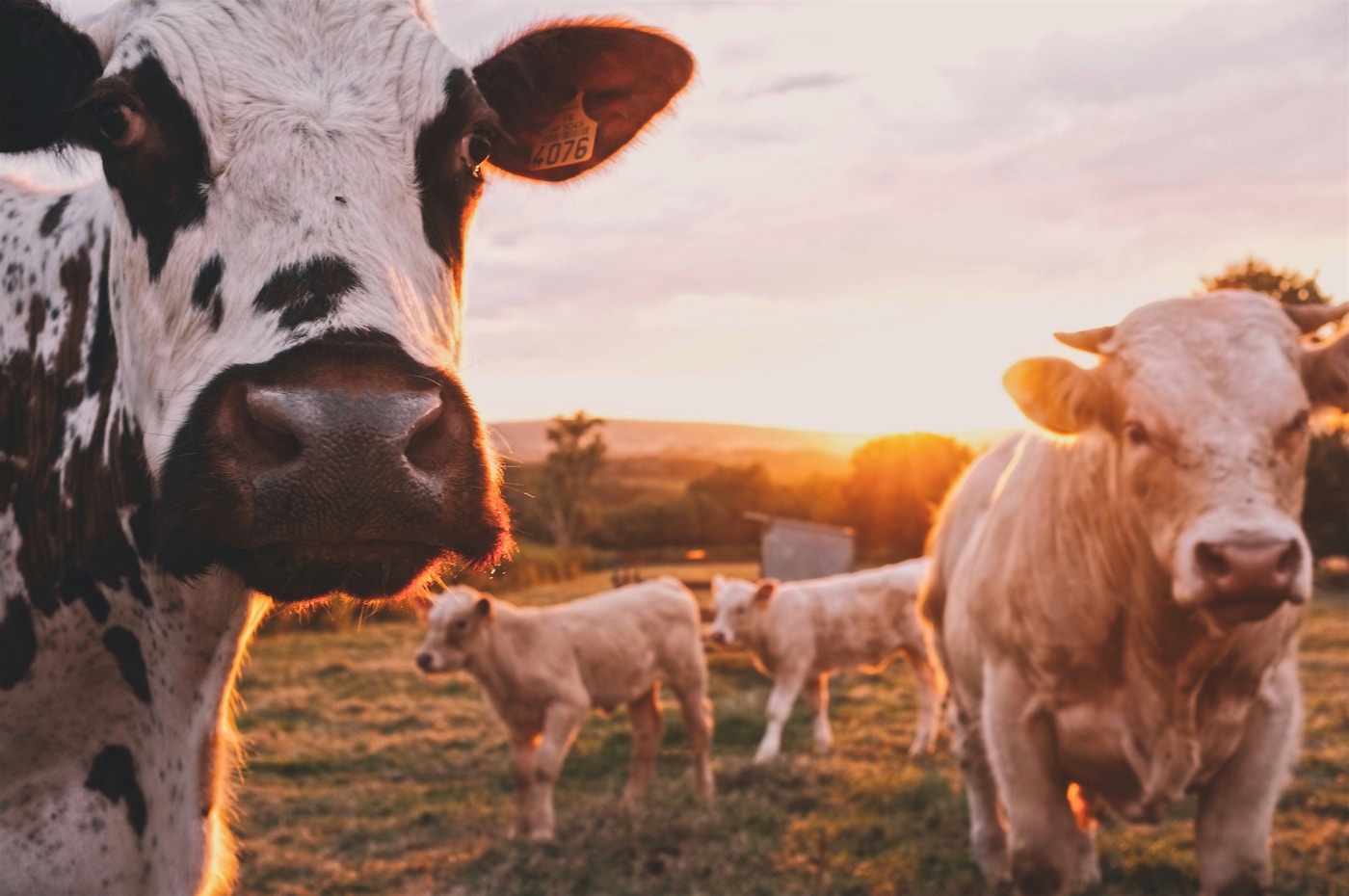
If you're setting up a small farm or backyard food production system in Australia, at some point you'll face the question: quail or chickens? Both produce eggs. Both can be raised for meat. Both are relatively accessible and well-suited to…
If you're setting up a small farm or backyard food production system in Australia, at some point you'll face the question: quail or chickens? Both produce eggs. Both can be raised for meat. Both are relatively accessible and well-suited to the Australian climate. But they are fundamentally different animals with different strengths, weaknesses, costs, and management requirements.
The right choice depends entirely on your specific situation — your land size, budget, council restrictions, production goals, and how much time and infrastructure you can commit. This guide does a thorough, honest head-to-head comparison so you can make the right call for your farm.
The Core Differences at a Glance
Before diving deep, here's where the two birds sit in relation to each other:
| Factor | Japanese Quail | Laying Chickens |
|---|---|---|
| Adult weight | 100–150g | 1.5–3.5kg |
| Eggs per year (per bird) | 250–300 | 200–320 |
| Egg size | ~12g (very small) | ~55–65g (large) |
| Age at first lay | 6–8 weeks | 18–24 weeks |
| Feed per day (layer) | 20–30g | 100–150g |
| Space per bird (minimum) | 0.1–0.2m² | 0.5–1m² |
| Noise (females) | Near-silent | Moderate (after laying) |
| Noise (males) | Quiet crow | Loud (roosters prohibited most areas) |
| Lifespan | 2–4 years | 5–10 years |
| Productive laying life | 1–2 years | 2–4 years |
| Broody/self-hatching | No (need incubator) | Some breeds, yes |
| Meat value | Good (small carcase) | Excellent (larger carcase) |
| Predator risk | High (very small) | Moderate |
| Setup cost (starter) | Low ($200–$700) | Moderate ($500–$3,000+) |
| Council restrictions | Often fewer | Often stricter |
Round 1: Space Requirements
Quail
This is where quail absolutely dominate. A colony of 20 laying Japanese Quail can be comfortably housed in a space of 2m × 1m — the footprint of a small garden shed. That's enough birds to produce roughly 140–180 eggs per week at peak production.
Even for a proper commercial-scale quail operation, the land footprint is tiny. Purpose-built tiered cage systems (similar to commercial layer cages) can house hundreds of quail in the space of a small room.
Quail need: - Minimum 500–1,000cm² per bird (about the size of an A4 page per bird, ideally double that) - A covered cage or enclosed aviary - No free-range access is strictly necessary (though they enjoy it if available)
Implication for small farms: A 500m² suburban block can support a productive quail operation without any meaningful land sacrifice. For apartment balconies or rental properties with no garden, quail are sometimes the only poultry option at all.
Chickens
Chickens need significantly more space, both for welfare and productivity. Overcrowded chickens develop behavioural problems — feather pecking, vent pecking, aggression — and stressed hens produce fewer eggs.
Minimum space requirements (layers): - Indoor housing: 0.5–1m² per bird minimum (RSPCA Guidelines for backyard hens suggest at least 1m² per bird in the coop) - Outdoor run: 2–4m² per bird minimum for acceptable welfare - A free-range system with meaningful outdoor access: 10m² per bird or more for genuine range - For a flock of 6 hens: you need approximately 60m²+ of total space for a reasonably welfare-conscious setup
The verdict: Quail win this round comprehensively. They require a fraction of the space, making them the clear choice for urban backyards, rental properties, and space-constrained situations.
Round 2: Egg Production
Volume and consistency
On a per-bird basis, a high-performing Isa Brown or Hyline Brown laying hen can match or slightly exceed a good Japanese Quail in annual egg numbers — both can produce 280–320 eggs per year at peak. However:
- Chickens don't start laying until 18–24 weeks of age
- Quail start laying at 6–8 weeks of age — one of the fastest returns on investment of any livestock
- In winter without supplemental lighting, chicken production drops significantly; quail production also drops but the impact is somewhat less dramatic with the right lighting setup
- A well-managed Khaki Campbell duck hen actually out-lays both in many conditions, but that's a different comparison
Where quail lag: egg size
This is the major limitation of quail eggs. A quail egg averages just 10–14 grams — roughly one-fifth to one-sixth the size of a large chicken egg. This means:
- You need 5–6 quail eggs to replace 1 chicken egg in cooking
- Peeling quail eggs is significantly more labour-intensive (the membrane sticks tightly to the white)
- Customers who want eggs for daily breakfast use may prefer the convenience of chicken eggs
Where quail lead: market price per unit
Despite being smaller, quail eggs typically sell for a significant premium at farmers markets and to restaurants: - Quail eggs: $4–$12 per dozen - Chicken eggs (free-range, premium): $5–$10 per dozen - Quail eggs per kilogram of product are more expensive, and their novelty, appearance, and association with fine dining attract premium buyers
Conversion reality check: To produce the equivalent of 12 large chicken eggs by weight, you need approximately 60–72 quail eggs. From 20 quail hens producing 300 eggs/year each, you get 6,000 quail eggs per year — equivalent in weight to about 1,000 large chicken eggs. Six high-producing chicken hens produce roughly 1,800–2,000 eggs per year — fewer eggs overall but far less feeding, housing, and labour per equivalent-weight output.
The verdict: For pure egg-by-weight efficiency, chickens are slightly ahead. For novelty, market premium, and speed to first egg, quail are the winner. For a household wanting a daily egg supply for cooking and eating, chickens are more practical. For a market garden or farmers market operation seeking premium products, quail eggs are a genuine money-spinner.
Round 3: Feed Costs and Efficiency
Feed consumption
A laying hen eats approximately 100–150g of feed per day depending on breed and size. A laying quail eats approximately 20–30g of feed per day.
On a per-bird basis, quail cost about one-fifth to one-sixth the amount to feed.
However, you need more quail to produce the same volume of food — so when you calculate feed cost per egg by weight, the picture is more balanced.
Feed cost per dozen large-egg-equivalents (approximate): - 6 laying hens producing 2 eggs/bird/day: 12 eggs from 900g feed ($0.50–$1.00 in feed) - 60 quail producing 60 eggs/day (equivalent weight to 10 chicken eggs): From 1,500g feed ($0.80–$1.50 in feed)
So quail are slightly less feed-efficient than chickens when measured by total egg mass produced per gram of feed. But they are far more feed-efficient per bird, which matters when managing cash flow — the upfront daily cost of keeping quail is very low.
Protein cost premium
Quail require higher protein feed than chickens — 20–24% for layers versus 16–18% for chicken layers. Gamebird or quail-specific feeds are slightly more expensive per kilogram than standard chicken layer pellets. This narrows the cost advantage somewhat.
Average feed costs in Australia (2024–2025 estimates): - Chicken layer pellets: $25–$40 per 20kg bag ($1.25–$2.00/kg) - Gamebird/quail crumble: $30–$55 per 20kg bag ($1.50–$2.75/kg) - Monthly feed cost for 20 laying quail: $10–$20 - Monthly feed cost for 6 laying hens: $18–$35
The verdict: Quail are cheaper to feed per bird by a significant margin. Feed cost per unit of egg weight is roughly comparable. For cash-flow-constrained beginners, the lower daily cost of quail is a genuine advantage.
Round 4: Setup and Infrastructure Costs
Quail
Quail are among the cheapest animals to set up for production in Australia.
Minimum viable quail setup (20 birds): - DIY wire cage (2m × 1m × 0.6m): $50–$200 in materials - Ready-made cage purchased: $150–$500 - Nipple drinkers and feeders: $20–$60 - 12 female, 2 male Japanese Quail (point of lay): $60–$180 - First bag of feed + oyster shell: $35–$60 - Incubator (if you want to hatch replacements): $80–$400 - Total starter cost: $300–$800 (DIY) to $700–$1,400 (purchased)
Chickens
Chickens require substantially more infrastructure to house properly.
Minimum viable chicken setup (6 hens): - Quality pre-built chicken coop with run: $400–$1,500 - DIY chicken coop and yard (materials): $300–$1,000 - Fencing for larger run (wire, posts, gate): $300–$1,500 - 6 ISA Brown point-of-lay pullets: $150–$360 ($25–$60 per bird) - Feeder, drinker, nesting boxes: $60–$200 - First bag of layer pellets + oyster shell: $30–$55 - Total starter cost: $1,000–$3,500+
The verdict: Quail win this round convincingly. The lower setup cost makes quail the more accessible starting point for anyone with limited upfront capital — or simply wanting to try poultry keeping before committing serious money.
Round 5: Council Regulations and Urban Suitability
This is one of the most practically significant differences for Australian backyard producers.
Chickens
- Most Australian councils permit 4–6 hens without approval in residential zones
- Roosters are prohibited in almost all Australian residential areas — loud crowing makes them incompatible with suburban living
- Some councils require minimum setback distances between chicken coops and boundaries/neighbouring dwellings
- Councils increasingly scrutinise complaints about smell, flies, and noise from backyard chicken setups
Quail
- Quail are not explicitly listed as "poultry" in many Australian council planning documents — creating a grey area that often works in the keeper's favour
- Males produce a quiet, low crow — far less audible than a rooster and far less likely to generate complaints
- Females are virtually silent
- Because of their small size, smell and fly issues are much more easily managed in an urban setting
- Many urban and suburban keepers have quail in apartments, townhouses, and small lots where chickens would not be permitted or practical
The verdict: Quail win for urban and suburban suitability. They are quieter, smaller, generate less odour and mess, and often fall outside the regulatory frameworks that restrict chickens. For renters, apartment dwellers, or anyone in a densely populated area, quail may be the only viable option.
Round 6: Meat Production
Quail
Japanese Quail can be raised for meat as well as eggs. At 6–8 weeks of age (when females are reaching point of lay), surplus males and spent hens can be processed for the table.
- Carcase weight: 100–130g dressed — about the size of a large chicken wing
- Meat quality: Delicate, flavourful, fine-grained; considered a delicacy in fine dining
- Processing: Small size makes them awkward to pluck and process; most small producers skin rather than pluck
- Market value: Whole quail retail for $4–$8 each; restaurant wholesale $3–$6 each
- Cooking: Best roasted whole, pan-fried, braised, or grilled; popular in French, Japanese, and Middle Eastern cuisines
Quail meat is a genuine premium product — a dozen processed quail sold to a restaurant at $5 each generates $60 from birds that cost minimal feed. However, the small carcase size means they are not a practical substitute for a large roast chicken for household consumption.
Chickens
Chickens are substantially better meat birds in terms of carcase weight and practical usability:
- Dual-purpose breeds (e.g., Plymouth Rock, Australorp, Sussex): 2–3kg dressed carcase
- Meat breeds (e.g., Cobb 500, Freedom Ranger): 2.5–4kg+ in 8–12 weeks
- Spent laying hens: 1.5–2kg; best for slow cooking (soups, stews)
- Processing: Familiar to most home butchers; equipment widely available
- Household utility: One roast chicken feeds a family of four; twelve quail might also feed four people but at much higher effort
For small farms wanting to produce meaningful quantities of meat for household use or direct sale, chickens (particularly meat breeds or dual-purpose birds) are far more practical.
The verdict: Chickens win on meat practicality and carcase size. Quail win on premium market positioning and fine dining appeal. If you want everyday table meat from your farm, chickens are the answer. If you want a premium restaurant product from a tiny space, quail have a compelling case.
Round 7: Health and Veterinary Considerations
Quail
- Generally hardy when well-managed
- Biggest health risks: respiratory disease from ammonia (poor cleaning), coccidiosis (from soil/litter contact), and feather pecking (from overcrowding or low protein)
- Skull injuries from startling — a unique quail-specific risk that must be managed through cage design
- Very few avian vets have extensive quail experience; finding specialist care can be difficult
- Short productive life means health issues sometimes result in replacement rather than treatment
- Quail are not vaccinated for any routine diseases in Australia (no vaccines are approved or commercially available)
Chickens
- A wider range of diseases and parasites, but also more established prevention and treatment protocols
- Marek's Disease: A highly infectious herpesvirus; vaccinated chicks are standard from reputable hatcheries in Australia
- Coccidiosis: Medicated starter feeds widely used for chicks
- External parasites (mites, lice): Very common in backyard hens; require regular treatment
- Internal worms: Common; treat with levamisole or flubendazole (vet prescription or over-the-counter depending on product)
- Avian vets are widely available across Australia; chicken health information is extensive and accessible
- Laying hens are prone to reproductive system diseases (egg binding, peritonitis, ovarian cancer) in later life — more complex health management as birds age
The verdict: Neither is dramatically easier from a health perspective. Chickens have more established treatment options and better veterinary support. Quail have fewer diseases overall but require specific management attention (ammonia, protein, cage design) to stay healthy. For a beginner, the simpler health picture of well-managed quail may actually be less daunting than the broader range of chicken diseases.
Round 8: Lifespan and Flock Replacement
Quail
- Total lifespan: 2–4 years
- Productive laying period: 6 weeks to approximately 12–18 months at peak; production declines substantially after the first year
- Flock replacement: Most commercial and serious hobby operators replace laying hens annually or every 18 months for consistent production
- Replacement mechanism: An incubator and fertile eggs — hatch your own replacements in 17–18 days. This is straightforward and inexpensive once you have the equipment
- A flock of 20 laying hens can be replaced by hatching 40–50 eggs in a single incubation cycle, keeping the best females
Chickens
- Total lifespan: 5–10 years (sometimes longer)
- Productive laying period: Point of lay at 18–24 weeks; peak production for 2–3 years; gradual decline thereafter
- Flock replacement: Every 2–3 years for commercial layers; backyard hens are often kept until natural death (5–10 years)
- Replacement options: Purchase new point-of-lay pullets ($25–$70 each); hatch via incubator (21 days) or broody hen (some breeds); purchase fertilised eggs for hatching
The verdict: Chickens have a longer productive life per individual bird, reducing flock replacement frequency. Quail require more frequent replacement but the process is fast, cheap, and easily done at home with an incubator. For a commercial producer, the annual quail replacement cycle is simply part of the production calendar. For a hobby keeper who gets attached to their birds, the shorter quail lifespan can be an emotional consideration.
Round 9: Pest Control and Garden Integration
Quail
- Quail are natural insectivores and actively hunt insects, small worms, and larvae
- In a garden setting, they can be used in a chicken tractor (moveable pen) to work through garden beds
- Their small size means they cause less damage to established plants than larger birds
- They do not scratch as aggressively as chickens (though they do scratch)
- Free-ranging quail in an open garden can sometimes be difficult to contain due to their small size and quick movement
Chickens
- Chickens are outstanding pest controllers in a garden — they scratch, dig, and thoroughly work through garden beds hunting insects, grubs, and weed seeds
- The tradeoff: They will also eat seedlings, scratch up newly planted seeds, and can devastate a vegetable garden if not managed carefully
- Chicken tractors (moveable pens) allow controlled access to garden beds between plantings — one of the most effective integrated garden management tools
- Their larger size and vigorous scratching means they disturb soil more thoroughly than quail
The verdict: Chickens are superior garden workers due to their size and scratching ability. Quail are gentler and better suited to working between established plants. For integrating birds into a market garden or mixed vegetable production system, chickens in a tractor system are generally more effective.
Round 10: Social and Lifestyle Factors
Quail
- Much less interactive with humans than chickens — they don't bond in the same way and don't generally come when called or seek human company
- Fast-moving and easily stressed; not suitable as pets for children
- Their industrious, ground-foraging behaviour is interesting to observe but in a less relatable way than chickens
- The novelty of quail — their tiny eggs, their speed, their distinctive call — is genuinely charming and a conversation starter
Chickens
- Many chicken breeds develop genuine bonds with their keepers; individuals can be remarkably interactive and affectionate
- Suited to children's involvement in feeding and collecting eggs
- Part of the backyard chicken movement's appeal is the connection to the birds as animals, not just producers
- A greater source of "poultry keeping community" — social groups, shows, breed clubs, and a wealth of accessible information
The verdict: Chickens win on lifestyle, companionship, and community. For many Australian backyard keepers, the relationship with their hens is as important as the eggs. Quail are productive tools with charm of their own, but they are not companion animals in the way that a tame Silkie or Plymouth Rock hen can be.
So Which Is Better for a Small Australian Farm?
The honest answer: it depends on what you're optimising for.
Choose Quail If:
- You have very limited space (under 100m² of usable yard, or no yard at all)
- Your council restricts chickens but doesn't explicitly prohibit quail
- You want the fastest possible return on investment (eggs in 6–8 weeks)
- You're interested in the premium restaurant/farmers market egg market
- You have low startup capital
- You want a quiet operation with minimal neighbour impact
- You're supplementing an existing production system and want a second income stream
Choose Chickens If:
- You have adequate land for a proper coop and run (minimum 30–50m² for a small flock)
- You want eggs for household use in a convenient, large format
- You want a meaningful table bird for home meat production
- You value interaction and companionship with your animals
- You want the established support network (vets, forums, breed clubs, supply chains)
- You want to integrate birds into garden pest control
- You plan to keep birds for multiple years without annual flock replacement
Consider Both If:
Many small Australian farmers and serious hobby producers keep both quail and chickens in separate systems: - Chickens for household egg use, garden integration, and meat production - Quail for the premium egg market, maximum production from minimal extra space, and a reliable secondary income stream
The two systems complement each other well and share infrastructure (feed storage, equipment, water systems). Adding 20 quail to an existing chicken setup adds minimal extra labour and cost but can generate meaningful additional income.
Final Scorecard
| Category | Winner |
|---|---|
| Space efficiency | Quail |
| Egg volume (per bird) | Draw |
| Egg market premium | Quail |
| Feed cost per bird | Quail |
| Setup cost | Quail |
| Urban/suburban suitability | Quail |
| Meat production | Chickens |
| Productive lifespan | Chickens |
| Health management support | Chickens |
| Garden integration | Chickens |
| Companion/lifestyle value | Chickens |
| Beginner accessibility | Draw |
Overall: For pure urban and suburban production from minimal space and investment, quail are the surprise winner. For a more complete small farm animal that integrates into garden systems, provides larger eggs and meaningful meat, and offers a richer livestock-keeping experience — chickens remain the benchmark.
Conclusion
The quail vs chicken debate doesn't have a universal winner — it has a right answer for each farm, each keeper, and each set of circumstances. The rise of Japanese Quail in Australian backyards is not a trend driven by fashion; it's driven by pragmatic reality. In an era of smaller backyards, tighter council regulations, and growing interest in premium niche food products, quail offer a compelling combination of productivity, low cost, and urban compatibility that chickens simply cannot match in constrained situations.
But for the majority of Australian small farms with reasonable land, infrastructure capacity, and a desire for a complete backyard food system — chickens remain the cornerstone bird. They have been for good reason, for a very long time.
The best advice? If space, budget, and regulations permit — keep both.
For local regulations, contact your council. For breed information, quail feed suppliers, and poultry clubs, search your state poultry association or online communities like Facebook's Australian Backyard Poultry groups.
For more, see our Quail vs Chickens for Small Backyards in Australia and Ducks vs Chickens: Which Is Better for Your Backyard?.
📖 Explore the Full Guides