Italian Honey Bee
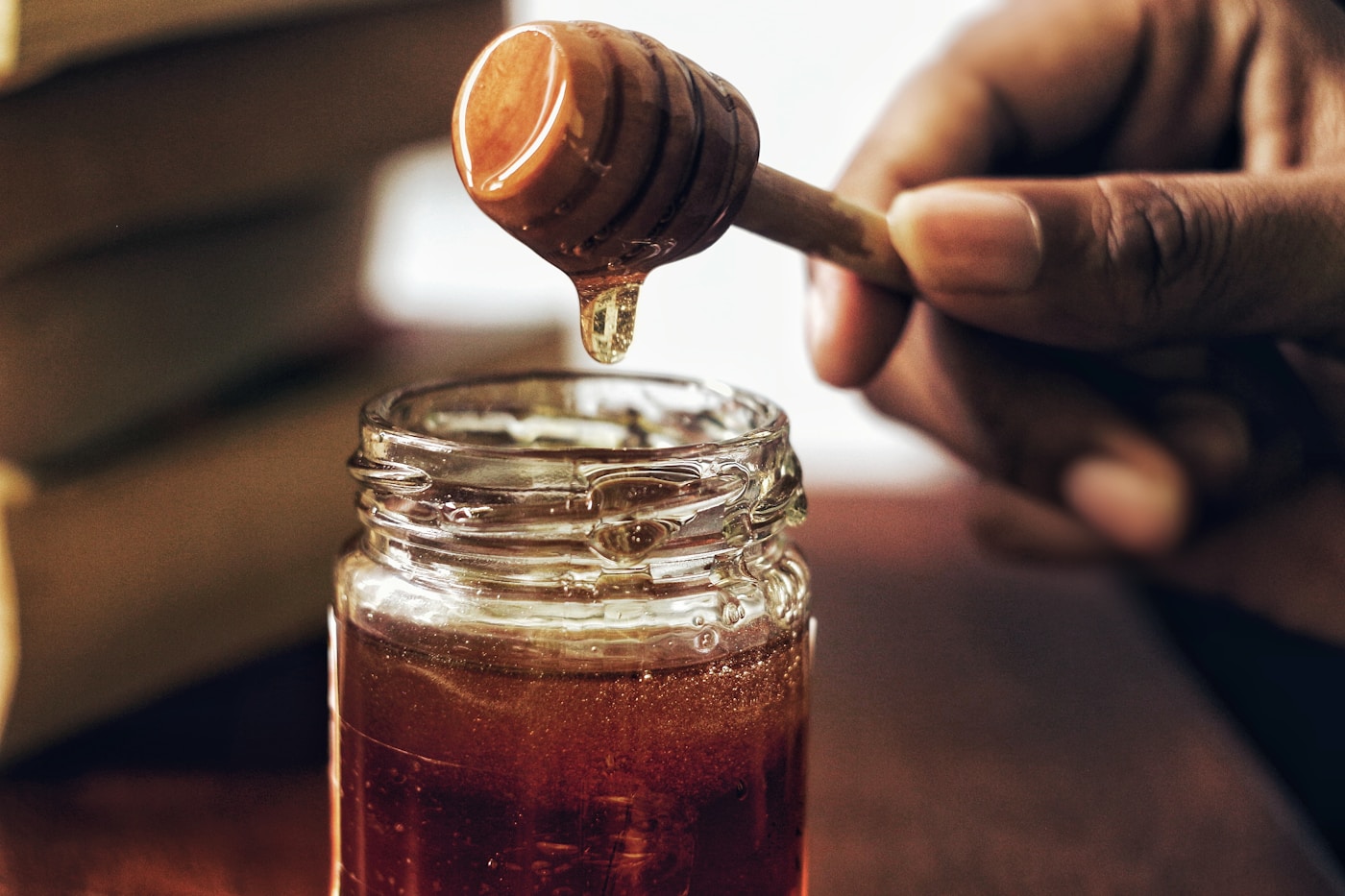
The most popular honey bee in Australia — prolific, gentle, and adaptable, producing high yields of golden honey across a wide range of Australian climates.
About the Italian Honey Bee
The Italian honey bee (Apis mellifera ligustica) is without question the most widely kept honey bee in Australia, and for good reason. Developed in the temperate climate of the Italian peninsula and introduced to Australia in the nineteenth century, the Italian bee has proven itself across more than a century of Australian beekeeping to be a reliable, productive, and manageable bee that suits beginners and experienced apiarists alike. Its characteristic golden-amber colouring makes it easy to distinguish from darker European races, and its gentle temperament makes hive inspections manageable even without full protective equipment in calm conditions.
The Italian bee's defining production characteristic is its prolific brood rearing — an Italian queen can lay 1,500 to 2,000 eggs per day at peak, building large colony populations that are capable of producing substantial honey surpluses when nectar flows are strong. This prolific nature is both the breed's greatest strength and one of its key management considerations: large populations consume large quantities of stores in lean periods, meaning Italian colonies can be more prone to robbing other hives and can consume their honey stores rapidly during dry summers or winter dearth. Monitoring stores through the dearth period and feeding when necessary is more important for Italians than for some other, more frugal races.
In Australian conditions, Italian bees perform well across the temperate and subtropical regions of the east coast — from the Atherton Tablelands of Queensland south through the NSW tablelands and coast to Victoria and South Australia. They are less well-suited to the hot, arid inland where summer dearth is extreme and their high colony populations stress stores. In tropical Darwin and the wet-dry tropics of far north Queensland, Italian bees can be managed but require more active feeding management through the dry season than in southern regions.
With the arrival of varroa mite in Australia — detected in NSW in June 2022 and now established across much of eastern Australia — the Italian bee's relatively limited natural varroa resistance has become a significant management consideration. Unlike some specialist breeds and ecotypes developed for varroa-tolerance, Italian bees require regular varroa monitoring and, where varroa is present, active treatment using approved miticides. This does not diminish the Italian's value as a productive, gentle hive bee; it simply adds varroa monitoring and treatment to the standard management calendar.
Characteristics
Honey Production
Annual honey yield varies enormously by location, season, and management — from 20 to 30 kg in a modest year in a poor-flow area to 80 kg or more from a well-positioned strong colony in a good eucalyptus flow year. The key variables are the strength of local nectar flows, the beekeeper's skill in managing the colony through flow peaks (adding supers promptly, keeping the queen out of supers), and the length and severity of the dearth period. In high-flow areas of NSW and Victoria — ironbark country, yellow box, grey box — well-managed Italian colonies are capable of producing surplus honey that justifies commercial or semi-commercial extraction.
Italian bees are good comb builders and housekeepers, maintaining a clean and well-organised brood nest. The wide brood nest and prolific laying pattern typical of Italian queens make them straightforward to assess during inspections — a well-laid, concentric brood pattern is easy to read for health. Propolis production is moderate and manageable, unlike some European races that propolis every gap in the hive to the point of making inspections extremely difficult.
Hive Care & Management
The Italian bee management calendar in Australia centres on a few key seasonal events. Spring buildup (August to October in most southern regions) is the critical period for colony assessment, queen replacement if needed, and preparation for the main honey flow. As the colony builds rapidly in spring, monitor for swarm preparations — uncrowded colonies with adequate space do not swarm; crowded colonies will. Add a super before the colony fills the brood box, not after.
Summer dearth management (January to March in southern Australia) requires monitoring honey stores and feeding if necessary — a strong Italian colony in a poor-flow area can consume 2 to 3 kg of honey per week. Autumn preparation (March to May) involves reducing the colony to a single brood box for winter, ensuring adequate stores (a minimum of 15 to 20 kg of capped honey), and replacing any queen that has not performed well through the season. With varroa now present in many areas, add varroa monitoring (alcohol wash or sticky board count) to all routine inspections, and treat according to your state's guidelines when mite counts exceed thresholds.
Pros & Cons
✅ Pros
- Most popular bee in Australia — greatest support network and available queens
- Gentle temperament — ideal for urban, suburban and beginner beekeepers
- High honey production in good flow areas
- Good comb builders and house cleaners
- Adaptable to most Australian climates
- Easy to source — widely available from commercial queen producers
⚠️ Cons
- Prolific brood rearing means higher store consumption in dearth
- Prone to robbing in lean periods — requires robbing prevention
- Limited natural varroa resistance — requires active varroa management where present
- Can build to swarm size quickly in spring if not managed