Australian Native Stingless Bee
Completely sting-free and fascinating to keep — Australia's native stingless bees produce small quantities of uniquely flavoured honey and provide exceptional garden pollination, without the varroa and regulatory concerns of European bees.
About the Australian Native Stingless Bee
Australia is home to approximately 11 species of native stingless bees in the genera Tetragonula and Austroplebeia, but the two species most commonly kept in Australia are Tetragonula carbonaria (found across eastern Australia from Cairns to Sydney) and Tetragonula hockingsi (found across tropical and subtropical Queensland and the Northern Territory). Unlike their European counterparts, these are eusocial bees — living in structured colonies with a single queen and worker castes — but they cannot sting. Their defence mechanism is biting with their mandibles and applying plant resin (propolis) to intruders, which is completely harmless to humans.
Native stingless bees are kept in specialised hive boxes (the OATH hive, timber log sections, or proprietary plastic hives designed for the purpose) and require a different management approach from European honey bee hive keeping. The colony is far smaller — 5,000 to 15,000 bees versus 40,000 to 80,000 in a European honey bee colony at peak — and honey production is correspondingly modest, typically 0.5 to 3 kg per hive per year in subtropical and tropical regions. Native bees cannot survive outdoors in regions that regularly experience extended cold (below about 10°C for prolonged periods), making them primarily a subtropical and tropical species in Australia, though in warm coastal areas of northern NSW and South East Queensland they can survive mild winters with appropriate hive placement.
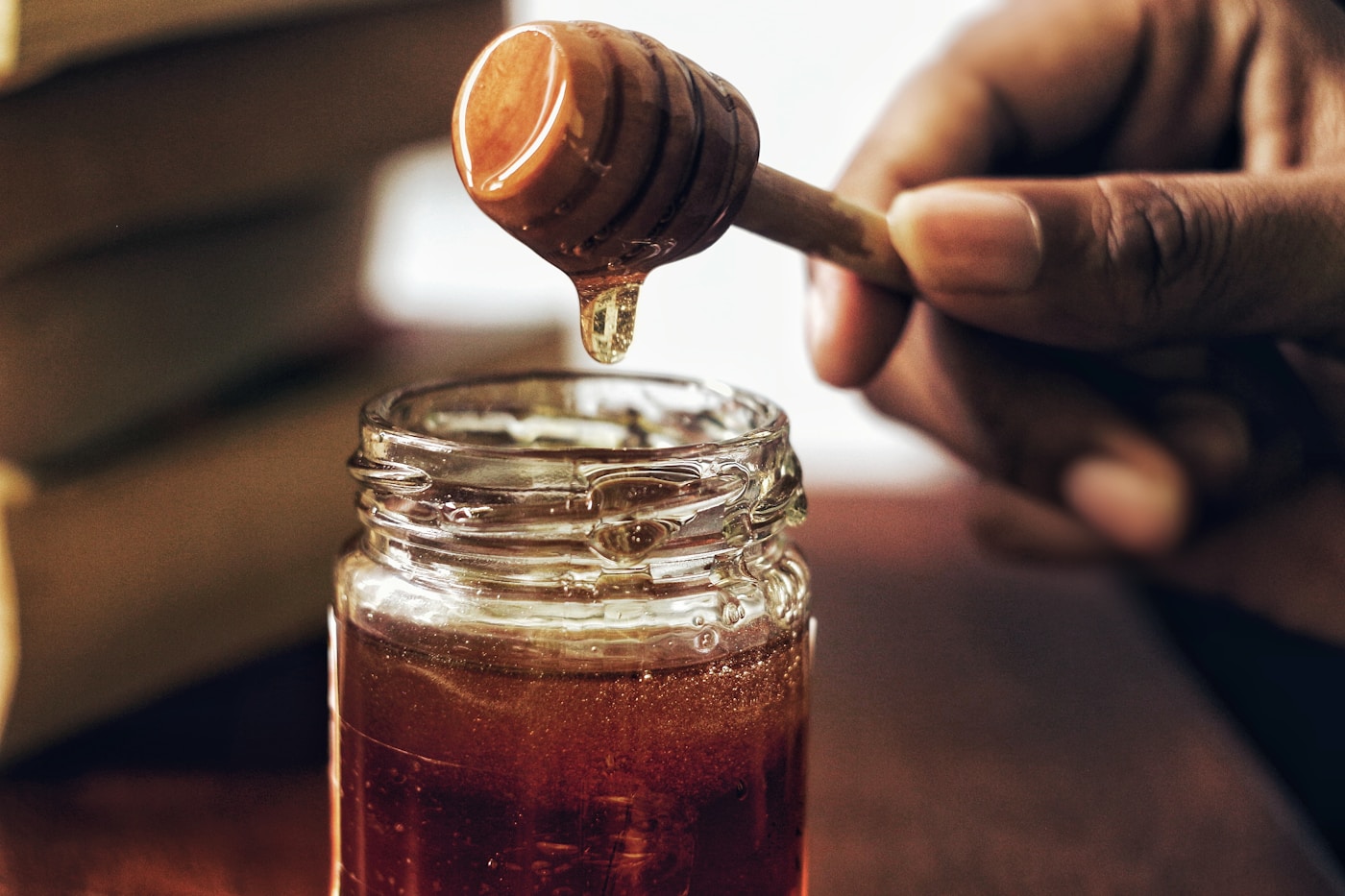
The honey produced by Tetragonula species is genuinely distinctive — known as sugarbag honey, it has a characteristically tangy, acidic flavour profile quite unlike European honey, resulting from a higher water content and different enzyme activity. Sugarbag honey has a long history of use by Indigenous Australians and has attracted growing interest from chefs and specialty food producers for its unique flavour. It ferments relatively quickly compared to European honey and should be refrigerated after extraction and consumed within weeks to months rather than stored for years.
Importantly, native stingless bees are entirely outside the varroa mite problem that now affects European honey bees across eastern Australia. Varroa destructor cannot reproduce in native stingless bee colonies, making stingless beekeeping one of the least regulatory-complex beekeeping options currently available. Registration requirements for stingless beekeeping vary by state but are generally less burdensome than for European bee hives in current varroa management zones.
Characteristics
Honey Production
Honey yield from native stingless bees is small — typically 0.5 to 1 kg per year for a well-established T. carbonaria hive in subtropical southeast Queensland, occasionally reaching 3 kg in exceptional circumstances and locations. The honey should only be harvested from surplus honey pots, never from the brood area, and a minimum of 30% of the honey store should always remain for the colony to draw on. Overharvesting is the most common mistake made by beginner stingless beekeepers and can kill a colony.
The primary value of native stingless bees in a property context is typically not honey production but pollination. Tetragonula species are excellent pollinators of macadamia, avocado, mango, lychee, strawberry, and many other Australian horticultural crops, and research has documented significant yield improvements from stingless bee pollination in subtropical horticultural contexts. On a small property growing vegetables and fruit trees, one or two stingless bee hives provide year-round pollination services regardless of whether significant honey is harvested.
Hive Care & Management
Native stingless bee hives require less active management than European bee hives — no smoke, no full protective suit required, no swarm prevention, and far simpler inspections. The primary management tasks are: positioning the hive in a location with morning sun and afternoon shade in summer (to avoid overheating, which can melt the resin structures inside the hive), protecting the hive from ant invasion (stand legs in oil or water cups), and inspecting annually for hive health and honey store levels.
Splitting colonies — the method of propagating stingless bee hives — requires specialist equipment and knowledge of the Tetragonula reproduction cycle. A split produces two smaller hives from one established hive, but if done incorrectly it can kill both halves. Beginner stingless beekeepers are strongly advised to attend a workshop or join a local stingless bee society before attempting their first split. The Australian Native Bee Association (ANBA) is the primary national resource for stingless beekeeping information, workshops, and hive sourcing.
Pros & Cons
✅ Pros
- Completely sting-free — safest beekeeping option
- Varroa mite cannot affect stingless bee colonies
- No smoke or full suit required for inspections
- Excellent garden and orchard pollinator
- Distinctive sugarbag honey with growing market interest
- Low maintenance once established
- Authentic Australian native species — conservation value
⚠️ Cons
- Very low honey yield — not a commercial honey proposition
- Subtropical and tropical only — not suitable for cold climates
- Small colony size means more vulnerable to disturbance
- Specialist hive equipment and management knowledge required
- Cannot be split without specific training
- Sugarbag honey ferments quickly — short shelf life