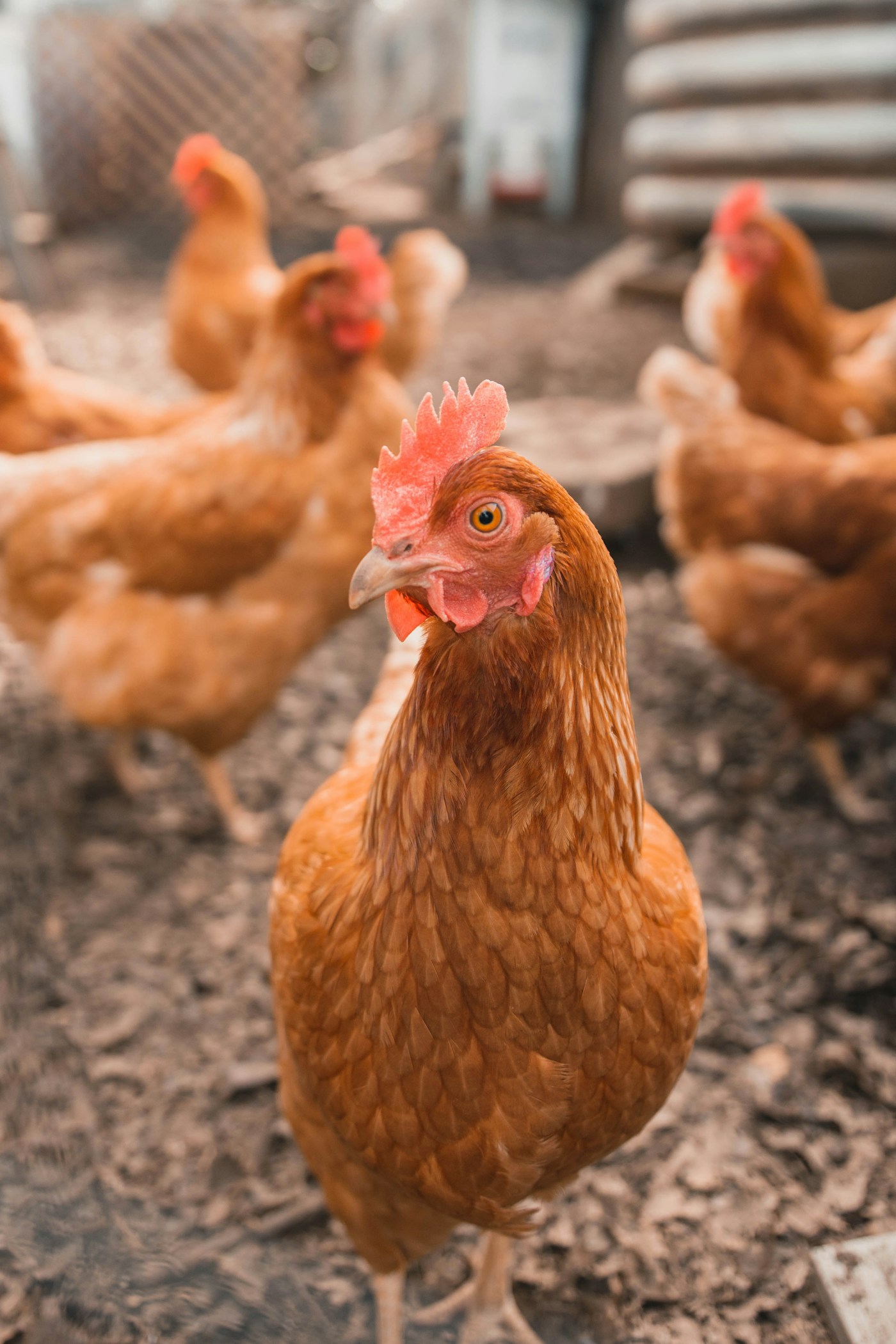
Plymouth Rock
The classic American dual-purpose breed — a calm, striped hen producing respectable eggs and a useful table carcase, perfect for the self-sufficient small farm.
About the Plymouth Rock
The Plymouth Rock — particularly the Barred Plymouth Rock, with its distinctive black and white striped plumage — is one of the most widely recognised heritage breeds in the world and has been a staple of the American and Australian small farm for well over a century. Developed in Massachusetts in the 1860s through crossing Dominique roosters with Black Java hens, the Plymouth Rock was the most popular American farm breed through the first half of the twentieth century, valued for its combination of steady egg production, solid meat carcase, and the docile, curious temperament that made it manageable in farm settings without dedicated poultry expertise.
In the Australian small farm context, the Plymouth Rock occupies a similar niche to the Australorp — a large, calm dual-purpose bird suited to producers who want both eggs and occasional table birds from the one flock. The Barred variety is the most common in Australia, though White and Buff Plymouth Rocks are also maintained by specialty breeders. The barred feather pattern — alternating black and white stripes running across each feather — creates a striking appearance that makes the breed one of the most visually interesting in a mixed backyard flock, which matters to some keepers beyond the purely production-focused criteria.
Production of 200 to 250 brown eggs per year puts the Plymouth Rock below the ISA Brown and Australorp in laying rate but above most specialist meat breeds. The breed lays consistently throughout the year in moderate climates, with a manageable seasonal variation in southern Australia. The table carcase from a surplus Plymouth Rock rooster is substantial — roosters reach 3.5 to 4.5 kilograms liveweight — and the meat quality of a properly raised, pasture-access Plymouth Rock rooster provides a genuinely different product from commercial meat chickens. The breed matures more slowly than commercial broilers, requiring 20 to 24 weeks to reach the best carcase weight, but the flavour of a slow-grown Plymouth Rock is markedly superior to fast-grown commercial birds.
The Plymouth Rock is among the most beginner-friendly breeds available in Australia. Its temperament — calm, steady, curious without being flighty — makes it manageable for new keepers, children, and small farm situations where the ability to handle individual birds for health checks, transport, or treatment is important. The breed is also genuinely cold-hardy, tolerating the wet, cool winters of southeastern Australia better than many Mediterranean or tropical-origin breeds, and has adequate heat tolerance for most Australian conditions with shade provision.
Characteristics
Production
Plymouth Rocks produce 200 to 250 brown eggs per year, sustained over three to four productive seasons. Roosters provide useful table birds at 20 to 24 weeks, with a carcase weight of 2 to 3 kilograms dressed — above average for heritage breeds. The dual-purpose nature of the breed means a small farm keeping Plymouth Rocks has both egg production and occasional table birds from the one flock, reducing the complexity of running separate laying and meat bird enterprises.
Feeding & Care
Plymouth Rocks are undemanding and adaptable. Standard layer nutrition, shelter from extremes, and regular health checks constitute the management requirement. The breed has moderate broodiness in some lines — a broody Plymouth Rock is a reliable sitter and attentive mother, useful for natural flock replacement. Cold tolerance is excellent — the breed originated in New England and is well-suited to the cold winters of southern Australia.
Pros & Cons
✅ Pros
- Genuine dual-purpose — eggs and table birds from one flock
- Excellent temperament — ideal for families and beginners
- Cold-hardy — well-suited to southern Australian winters
- Beautiful Barred plumage — visually striking in a mixed flock
- Can reproduce naturally — self-sustaining flock is possible
- Long production lifespan — 3 to 4 productive years
⚠️ Cons
- Lower peak egg production than commercial hybrids (200–250 vs 300+)
- Slower-growing table bird than commercial broilers
- Less widely available than ISA Brown from standard rural suppliers
- Broodiness in some lines interrupts egg production