Sussex
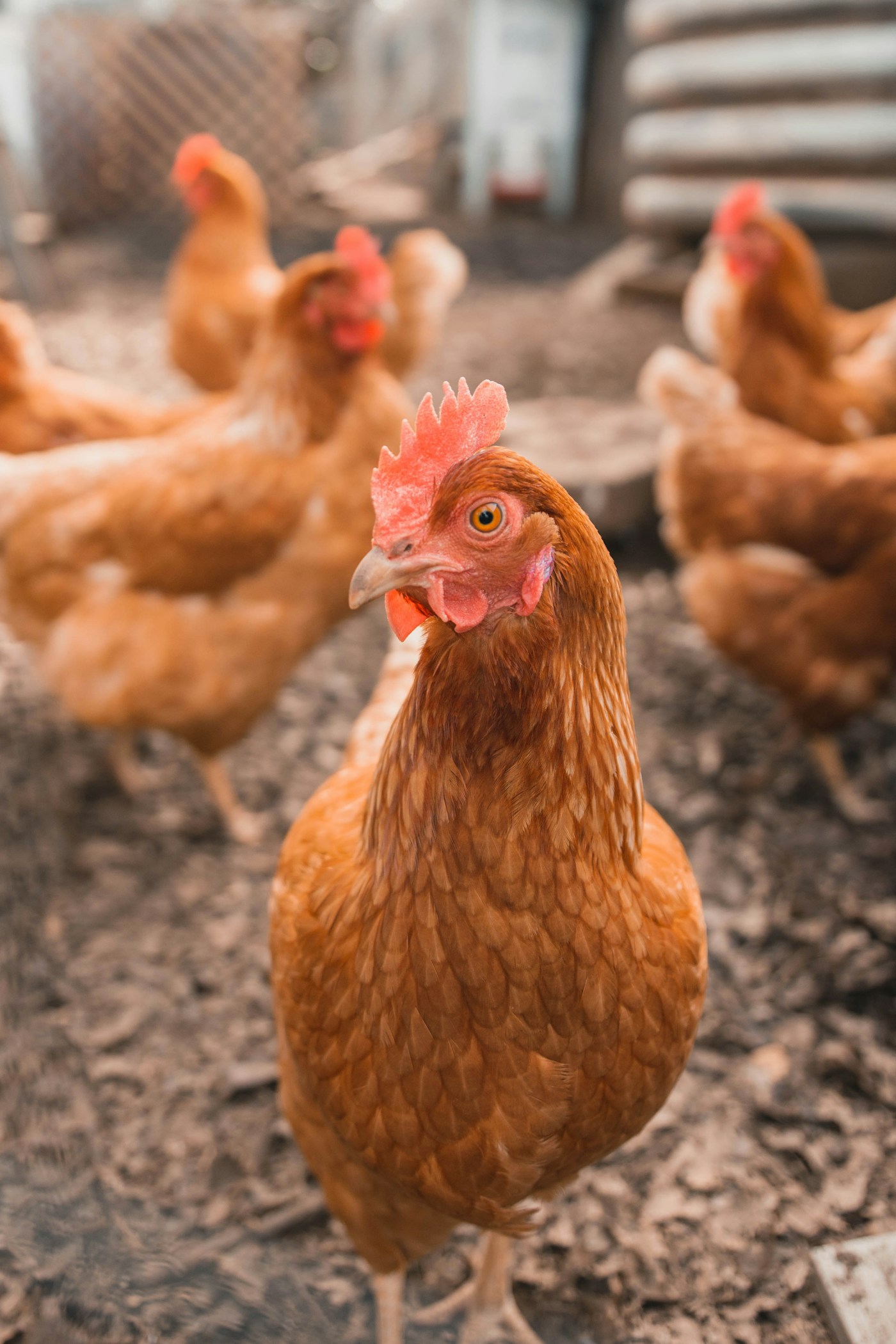
An ancient British dual-purpose breed in its Light Sussex form — one of Australia's most popular heritage layers, combining respectable production with exceptional calm.
About the Sussex
The Sussex is one of the oldest documented chicken breeds in the world, with records placing fowl of this type in the county of Sussex in southern England for over two thousand years — predating formal breed recognition by millennia. The Light Sussex, the most common variety kept in Australia, is a large white bird with black neck hackle and tail feathers that create a striking contrast against the white body plumage. It was one of the most important commercial breeds in Britain before the modern hybrid era and remains one of the most widely kept heritage breeds in the Australian small farm and backyard poultry market.
The Light Sussex arrived in Australia in the nineteenth century and has maintained a continuous presence in the country's poultry community ever since, supported by breeders who value both its production characteristics and its historical connection to British agricultural heritage. Australian Light Sussex strains have diverged somewhat from British show standards over the generations, with production-focused Australian breeders prioritising laying rate and temperament over the show standards that dominate British Sussex breeding. The result is an Australian production Light Sussex that lays better than its British show counterpart but may not conform to the colour and type standards that a show exhibitor would require.
Production of 200 to 260 brown-tinted eggs per year makes the Sussex competitive with other heritage breeds for practical farm use, though below commercial hybrid rates. The breed's most distinctive practical attribute — and the reason experienced poultry keepers recommend it so consistently — is its temperament. Light Sussex are among the calmest, most human-oriented chickens available in Australia. They actively seek human contact, are easily trained to hand-feed, rarely display aggression toward other flock members or humans, and can be handled with minimal restraint by children and beginners. In a small farm or backyard setting where the pleasure of keeping chickens is as important as their production, the Sussex's sociable nature is a genuine quality-of-life advantage over production-optimised breeds that are indifferent or skittish.
The breed's dual-purpose credentials are solid. Surplus Sussex roosters reach 3.5 to 4.5 kilograms liveweight, providing a useful table bird on a timetable of 20 to 24 weeks for a medium-weight carcase. The meat from a pastured Sussex rooster is notably better in flavour and texture than commercial broiler meat — slower growth, exercise from ranging, and a more varied diet all contribute to a distinctly different product from the fast-grown commercial equivalent. Sussex hens also carry a degree of brooding instinct in many lines — a broody Sussex is an excellent, attentive mother, capable of raising a clutch of chicks naturally in a farm setting where artificial incubation and brooding infrastructure is not available.
Characteristics
Production
Sussex production of 200 to 260 eggs per year in laying strains, maintained over three to four seasons. The Light Sussex in production-strain form is one of the better-producing heritage breeds available in Australia. Table carcase from surplus roosters is substantial and good quality, making the breed genuinely dual-purpose rather than simply tolerant of being eaten. Some lines are prone to broodiness — these hens are excellent natural mothers if chick hatching is desired.
Feeding & Care
Light Sussex are easy to keep and undemanding. Standard layer management; shade provision in summer (heavy feathering can cause heat stress in extreme conditions); dry shelter in winter. The breed's calm temperament makes health checks and individual handling straightforward. Check for broody behaviour in warm weather — break broodies promptly if uninterrupted production is the goal, or provide fertile eggs if natural hatching is desired.
Pros & Cons
✅ Pros
- Arguably the calmest and most sociable heritage breed available
- Genuine dual-purpose — good eggs and useful table birds
- Excellent cold tolerance — well-suited to southern Australia
- Natural brooding capacity — self-sustaining flock possible
- Beautiful appearance — popular show and farm bird
- Long production lifespan and sustained output
⚠️ Cons
- Lower peak production than commercial hybrids
- Broody tendency interrupts production in some lines
- Less widely available than ISA Brown
- Heavy feathering requires shade management in hot Australian summers